3100 S Gessner Rd., Ste.
205 Houston, Texas 77063
-
Free Consultation
-Personal Injury Cases Only- -
se habla español
888-755-5678
832-871-4040
se habla español
July 15 2026
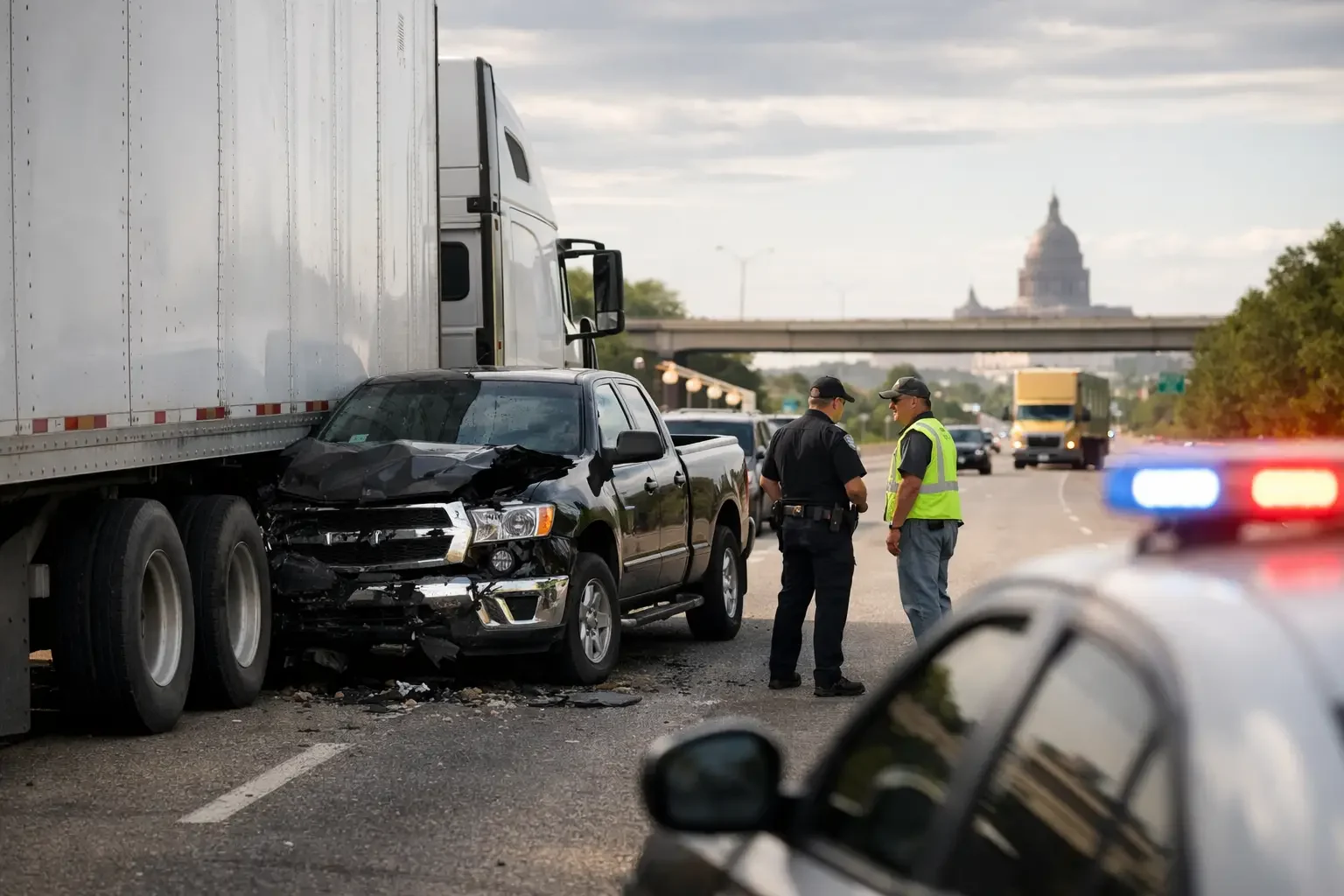
A crash involving a delivery van, company pickup, 18-wheeler, shuttle, or work truck can change the legal picture immediately. Commercial vehicle accident liability Texas claims often involve more than one responsible party, multiple insurance policies, and evidence that can disappear within days. If you were injured, the question is not simply who was driving. The question is who had a legal duty to prevent the collision and whether their conduct caused your losses.
The physical consequences can be severe, but the pressure that follows can be just as difficult: medical appointments, missed work, vehicle damage, insurance calls, and uncertainty about what comes next. A careful investigation can identify the parties responsible and protect your ability to pursue fair compensation.
A commercial vehicle is any vehicle used for business purposes. It may be a tractor-trailer operated by a motor carrier, a landscaping truck, a rideshare vehicle, a utility vehicle, a company-owned passenger van, or a personal vehicle an employee was using for work.
The driver may be liable when careless conduct caused the crash. Common examples include speeding, distracted driving, unsafe lane changes, tailgating, running a red light, driving while fatigued, or failing to account for a vehicle’s size and stopping distance. A commercial driver is not automatically at fault simply because they were working, but professional driving duties and company safety rules often matter when evaluating the facts.
The driver’s employer may also be responsible. Under Texas law, an employer can generally be liable for an employee’s negligence when the employee was acting within the course and scope of employment. For example, a delivery driver who causes a wreck while making scheduled deliveries may create a claim against both the driver and the company.
That analysis is not always straightforward. A company may argue that the driver was an independent contractor, was using the vehicle for a personal errand, or acted outside assigned duties. Labels alone do not decide the issue. The real relationship, the company’s control over the work, dispatch records, contracts, vehicle ownership, and the purpose of the trip can all be relevant.
Other parties may share responsibility as well. A trucking company could face claims for negligent hiring, training, supervision, retention, or vehicle maintenance. A contractor may have overloaded a truck or failed to secure cargo. A vehicle manufacturer or repair provider may be implicated if a defective part or negligent repair contributed to the collision. In some cases, another driver, a construction company, or a governmental entity responsible for unsafe road conditions may also be part of the case.
Commercial vehicle cases are often won or lost through early evidence. The other side may have access to records that an injured person cannot obtain without prompt legal action. A police report is valuable, but it is only one piece of the picture.
Electronic data can show vehicle speed, braking, hard turns, hours of operation, and sometimes the sequence of events before impact. Depending on the vehicle and business, evidence may include dash-camera footage, dispatch communications, GPS records, maintenance files, inspection reports, driver qualification documents, cell phone records, shipping documents, and cargo-loading records.
This information may not be retained indefinitely. Video can be overwritten, and electronic data may be recorded over during normal operations. Sending a timely preservation request can put a company on notice that relevant evidence must be protected. An experienced attorney can also investigate the crash scene, obtain available witness information, review photographs, and work with qualified accident reconstruction or trucking experts when the facts call for it.
Do not assume the company will voluntarily provide the full story. Insurers and corporate defendants often begin evaluating their defense immediately. Preserving the facts early gives you a better chance to present a clear, documented claim.
A commercial vehicle may be covered by a business auto policy, an excess or umbrella policy, cargo-related coverage, or other layers of insurance. The policy limits and parties named on the paperwork do not always tell the whole story. A leased vehicle, subcontracted delivery route, or shared business operation can create disputes about which company controlled the driver and which insurer must provide coverage.
Insurance adjusters may contact you soon after a crash and request a recorded statement, medical authorization, or quick settlement. Early offers can arrive before the full extent of treatment, future care needs, lost earning capacity, or permanent limitations is known. Accepting a settlement generally ends the claim, even if later complications become clear.
You do not need to make a rushed decision while you are in pain or still seeking answers. Before signing documents or giving a detailed statement, consider obtaining legal advice tailored to your circumstances. A serious claim should be evaluated based on the evidence, the available coverage, and the actual impact the injury has had on your life.
Texas uses a proportionate-responsibility system. The defense may argue that an injured driver, passenger, pedestrian, or motorcyclist contributed to the crash by speeding, failing to yield, using a phone, or otherwise acting carelessly. If a claimant is found partly responsible, recoverable damages can be reduced by that percentage. A claimant found more than 50 percent responsible is generally barred from recovering damages from the other responsible parties.
This does not mean that a commercial company escapes responsibility whenever it can point to a mistake by someone else. Fault must be supported by evidence, not assumption. A thorough investigation matters because the initial narrative often changes once video, vehicle data, witness testimony, and company records are reviewed.
Your first priority is your health. Seek medical attention promptly, follow the treatment plan you are given, and report new or worsening symptoms to your medical provider. Delays can affect both your well-being and the insurance company’s view of whether the collision caused your injuries.
If you can do so safely, preserve what you have. Save photographs, videos, medical paperwork, repair estimates, witness contact information, and all communications from insurers or employers. Write down what you remember while details are fresh, including the company name on the vehicle, license plate number, driver statements, weather conditions, and the direction each vehicle was traveling.
Avoid posting about the collision or your injuries on social media while the matter is pending. Posts, photographs, and comments can be taken out of context and used to challenge your claim. It is also wise to avoid authorizing broad access to your medical history without understanding what is being requested and why.
Many Texas personal injury claims are subject to a two-year limitations period, but exceptions and separate notice requirements can apply. Claims involving a city, county, state agency, or other governmental entity may require notice much sooner. Waiting also creates practical problems because witnesses move, memories fade, and evidence can be lost.
A lawyer can assess the deadline that applies to your claim, identify potential defendants, and take steps to preserve evidence before critical records disappear. The sooner the facts are reviewed, the more options may be available.
A commercial vehicle collision can create losses that extend far beyond emergency care and repair bills. Depending on the facts, a claim may seek compensation for medical expenses, future treatment, lost income, reduced earning capacity, pain and suffering, physical impairment, disfigurement, and property damage. Families who lose a loved one may have a wrongful death claim, though the available damages and parties entitled to bring the case depend on the circumstances.
Every case is different. The value of a claim depends on the severity of injuries, the evidence of fault, insurance coverage, medical prognosis, and many other factors. No responsible lawyer should promise a result before the evidence is developed. What you should expect is serious preparation, direct communication, and an advocate willing to stand up to insurers and companies that try to minimize the harm done.
Afshar Law approaches commercial vehicle cases with personal attention and determined advocacy. You deserve clear answers, not pressure to accept less than your case may warrant. Taking action early can help protect the evidence, your rights, and the stability you need to move forward.