3100 S Gessner Rd., Ste.
205 Houston, Texas 77063
-
Free Consultation
-Personal Injury Cases Only- -
se habla español
888-755-5678
832-871-4040
se habla español
September 25 2026
A broken stair rail, loose flooring, poor lighting in a parking lot, exposed wiring, or an unprotected construction opening can turn an ordinary visit into a serious injury. Knowing how to report unsafe property can help protect other people from the same danger while creating a clear record of what occurred. If you have been hurt, the steps you take in the first hours and days may also matter to any insurance claim or premises liability case.
If the condition creates an immediate threat to life or safety, call 911. This includes fires, gas leaks, electrical hazards, a structural collapse, a violent incident, or a dangerous condition that could seriously injure someone before a property manager can respond.
For a hazard that is serious but not an emergency, notify the person or business responsible for the property as soon as possible. On a commercial property, ask for the manager, security office, maintenance department, or corporate customer-service contact. At an apartment complex, report the issue to the leasing office, property manager, or emergency maintenance line. For a public sidewalk, street, park, or other government-owned area, the appropriate city or county department may be responsible.
Do not assume that telling the nearest employee is enough. Ask who is authorized to receive safety complaints, and request that the concern be entered into the property’s incident or maintenance system.
A useful report is specific, factual, and made in a form that can be verified later. State exactly where the dangerous condition is located, what you observed, when you observed it, and whether anyone was injured or nearly injured. Avoid guessing about who caused the problem. The goal is to make the owner or manager aware of a condition that needs attention.
For example, instead of saying, “The stairs are unsafe,” explain that “the handrail on the west stairwell between the second and third floors is loose and moves when weight is applied.” That description gives the recipient information they can act on and makes it harder for the concern to be dismissed as vague.
Whenever possible, make the report in writing through email, a tenant portal, a company complaint form, or text message. If you report the condition in person or by phone, follow up with a written message that confirms the date, time, recipient, and details discussed. Keep a copy for yourself.
If a business prepares an incident report after an injury, ask for a copy or at least the report number and the name of the person who completed it. Be truthful, but be cautious about signing statements you do not understand or accepting blame before the facts are known.
Property owners often repair or remove a dangerous condition after receiving notice. Fixing the problem may prevent another injury, but it can also make it more difficult to show what the area looked like at the time of your accident. Documentation can preserve facts that may otherwise disappear.
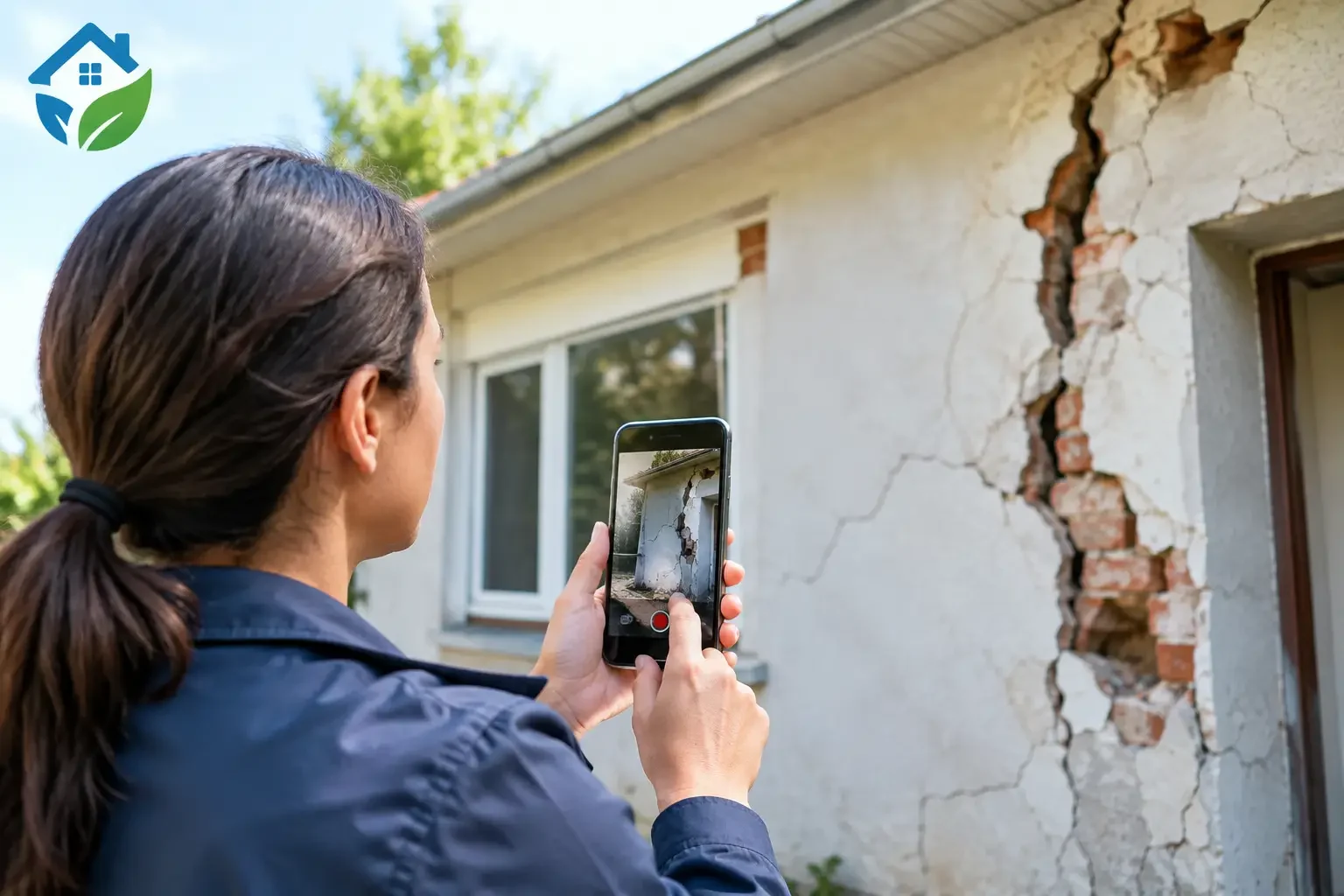
Take clear photos and video from several angles if you can do so safely. Capture the hazard itself, the surrounding area, lighting conditions, warning signs or lack of warnings, and nearby landmarks that show the precise location. A photo of a spill is more useful if it also shows whether cones, caution signs, or barriers were present.
Write down the date and time, weather conditions if relevant, and the names of employees, managers, witnesses, or first responders. If someone saw what happened, ask for their name and a reliable way to contact them. Do not pressure anyone to make a statement. A simple record of who was present can be valuable later.
Preserve physical evidence as well. Keep the shoes and clothing you were wearing, particularly if a slip, trip, chemical exposure, or equipment failure is involved. Do not wash or repair those items until you have received legal advice. They may help show the conditions you encountered.
The correct reporting channel depends on the property and the hazard. Private property concerns usually begin with the owner, landlord, property manager, or business operator. A tenant dealing with unsafe housing conditions may need to notify the landlord in writing and follow applicable lease and Texas legal requirements before taking further action.
Some dangers call for a report beyond the property owner. Fire hazards may warrant a report to the local fire marshal. Unsafe food handling, sanitation issues, or certain public-health concerns may be appropriate for the local health department. Suspected building-code violations can often be reported to a city or county code enforcement office.
Construction sites require special care. Workers may have reporting procedures through their employer, supervisor, general contractor, or safety officer. Depending on the circumstances, workplace safety complaints may also involve government agencies. Visitors and subcontractors should report hazards to the site supervisor or general contractor and document whom they notified. Never enter a restricted area or place yourself in further danger to gather evidence.
Government-owned property can involve special notice rules and shorter deadlines. If you are injured on property operated by a city, county, school district, transit agency, or other public entity, preserve evidence and seek legal guidance promptly. Waiting for a routine response may put important rights at risk.
After an injury, your health comes first. Seek medical attention promptly, even if pain seems manageable at the scene. Head injuries, back injuries, fractures, internal injuries, and soft-tissue damage may not be fully apparent right away. Medical records also provide a timely account of your symptoms and the treatment you needed.
Follow your doctor’s recommendations, attend appointments, and keep copies of bills, discharge instructions, work restrictions, and receipts for related expenses. If the injury keeps you from working or changes your daily activities, keep a brief journal describing those limitations. This is not about exaggeration. It is about accurately preserving how the injury has affected your life.
Be careful when dealing with an insurance adjuster for the property owner. An adjuster may sound helpful while seeking a recorded statement, broad medical authorization, or quick settlement before the full extent of an injury is known. You are not required to make a rushed decision simply because an insurer asks for one.
Reporting an unsafe condition is responsible, but it does not automatically mean a property owner is legally liable for an injury. These claims often turn on details: who controlled the area, how long the hazard existed, whether the owner knew or reasonably should have known about it, whether adequate warnings were provided, and whether the injured person had a reasonable opportunity to avoid the danger.
For example, a business may be responsible for addressing a spill it knew about or should have discovered through reasonable inspections. But the analysis can differ if a spill occurred seconds before an accident, if a clear warning was in place, or if another party controlled the area. Construction and leased commercial properties can involve several companies with different responsibilities.
That is why early investigation matters. Surveillance footage may be overwritten, maintenance records may be lost, and witnesses may become difficult to locate. A serious injury deserves more than assumptions from an insurance company or a property owner.
Consider speaking with an attorney if you suffered significant injuries, missed work, face substantial medical bills, believe a property owner ignored prior complaints, or receive pressure from an insurer to settle quickly. You should also seek guidance if a child was injured, a dangerous condition involved inadequate security, or the incident occurred on a construction site or government property.
A premises liability attorney can evaluate the facts, preserve evidence, identify potentially responsible parties, and handle communications with insurers. At Afshar Law, every matter is approached with personal attention, serious preparation, and a commitment to protecting clients during difficult moments. No lawyer can guarantee a result, but a well-prepared claim can prevent your concerns from being minimized or overlooked.
Reporting an unsafe condition can protect the next person who walks through the door, down the stairwell, or across the parking lot. Protect yourself too: put the report in writing, preserve what you can, get appropriate care, and do not let a rushed response decide the value of your health or your future.