Category Archives: Blogs

Injury Insurance Claim Denied? What to Do Next

A denial letter can arrive while you are still treating injuries, missing work, and trying to keep up with ordinary life. When an injury insurance claim is denied, the insurer may hope you accept its explanation, close the file, and move on. You do not have to make that decision alone. A denial is a serious obstacle, but it is not always the final word.

Insurance companies have financial incentives to limit what they pay. Their decision may rest on an incomplete investigation, a disputed medical opinion, a policy exclusion, or an argument that you were responsible for the incident. The right response depends on the facts, the coverage involved, and the deadlines that apply. Acting promptly can help protect evidence and preserve your options.

Why an Injury Insurance Claim Is Denied

The denial letter should identify the insurer’s stated reason. Sometimes that reason is clear. Often, it is written in technical language that makes a straightforward answer sound more certain than it is. Before accepting the conclusion, look closely at what the insurer relied on and what it may have overlooked.

A common reason is a dispute over fault. After a car, truck, motorcycle, pedestrian, or commercial vehicle accident, an insurer may claim its policyholder did not cause the crash. It may also argue that you were partly responsible. In Texas, shared fault can affect recovery, but an insurer’s early assessment is not the same as a final legal determination. Police reports, scene evidence, witness testimony, vehicle data, photographs, and video can all matter.

Insurers also frequently challenge whether medical treatment was necessary or whether an injury resulted from the accident. They may point to a gap in treatment, a prior condition, or a statement in a medical record taken out of context. A preexisting injury does not automatically erase a claim. The relevant question may be whether the incident caused a new injury or made an existing condition worse.

Other denials arise from coverage disputes. The insurer may say the policy had lapsed, an exclusion applies, the driver was not covered, notice was late, or the available policy does not cover the type of loss claimed. In workplace, construction, and premises liability matters, there may be separate questions about which company controlled the worksite, who owned the property, and whether a third party can be held responsible.

Read the Letter, but Do Not Let It Control the Story

Keep the denial letter, the envelope or email transmitting it, and every document that came with it. Note the date you received it, the claim number, the policy information, the adjuster’s contact details, and any stated deadline to appeal or submit additional information. Do not assume a deadline is flexible simply because you are still recovering.

The letter may identify missing records, witness information, medical documentation, or proof of damages. In some situations, supplying accurate additional information can resolve a problem. In others, an informal response may give the insurer more material to use against you. The difference matters.

Before making a recorded statement, signing a broad medical authorization, accepting a settlement, or agreeing that the denial is correct, understand the effect of what you are doing. A release or settlement can end rights that cannot be restored later. A careful review is especially valuable when the injuries are serious, future treatment is uncertain, or multiple insurance policies may be involved.

Preserve the Evidence That Supports Your Claim

An insurance file is only as strong as the evidence inside it. The insurer may have photographs from its own driver, a short version of events, and selected medical records. Your claim should tell the complete story.

Preserve photographs and video of the scene, vehicles, hazards, visible injuries, and damaged property. Save contact information for witnesses and copies of incident reports. If a business, apartment complex, construction site, or roadway may have surveillance footage, that footage can disappear quickly. A prompt request to preserve relevant evidence may be critical.

Continue appropriate medical care and follow your providers’ recommendations when you can. Your health comes first, and medical records also help document the nature of the injury, treatment course, limitations, and expected recovery. Keep receipts, mileage records, work restrictions, pay stubs, and notes showing days missed from work or duties you could no longer perform.

Do not use social media as a substitute for evidence. Posts, photos, location tags, and casual comments can be misunderstood or selectively presented. A person can smile in one photograph and still be coping with substantial pain, reduced mobility, or a difficult recovery. Still, public posts can create unnecessary disputes.

When a Denial May Need Legal Review

Some denials are administrative and can be corrected with documentation. Others signal a deeper dispute that requires investigation, negotiation, or litigation. It is wise to seek legal guidance when the insurer disputes fault, says your injuries are unrelated, minimizes a serious injury, refuses to identify available coverage, or pressures you to accept far less than your losses warrant.

A lawyer can evaluate the policy language, investigate the incident, identify potentially responsible parties, and communicate with insurers on your behalf. In a truck or commercial vehicle case, that may include reviewing company records, driver qualifications, maintenance issues, electronic data, and the relationship between the driver and the company. In a premises case, it may involve determining what the owner or operator knew about a dangerous condition and when.

Workplace injuries require particular care. Texas employers may carry workers’ compensation coverage, but some do not. Even where workers’ compensation applies, a negligent third party such as a driver, property owner, equipment manufacturer, or subcontractor may still have responsibility. The available path depends on the specific facts, and the wrong assumption can cost valuable time.

Do Not Miss the Deadlines Outside the Denial Letter

An insurer’s internal appeal deadline is not the only date that matters. Texas law imposes deadlines for filing lawsuits, and the correct deadline can vary based on the claim, the parties, and the circumstances. Claims involving government entities can have much shorter notice requirements. A delayed investigation can also mean lost video, unavailable witnesses, and fading memories.

This is why waiting until treatment is complete or bills have piled up can be risky. You do not need to know every answer before getting advice. A timely case evaluation can clarify which deadlines may apply and what should be done now to protect your position.

A Strong Response Is More Than a Complaint

It is frustrating to receive a form letter after a life-changing injury. But a persuasive response is built on facts, records, and a clear understanding of the law and insurance contract. It may involve correcting the insurer’s factual errors, presenting medical support, challenging an improper coverage interpretation, or pursuing a claim against the party whose negligence caused the harm.

There are no guaranteed outcomes. Some cases resolve through additional documentation and direct negotiation. Others require filing suit and preparing the case for trial. What should not happen is allowing an insurer’s first “no” to become the end of the conversation without a serious evaluation of your rights.

At Afshar Law, clients receive personal attention and a strategy tailored to the pressure they are facing. If a denial has left you with questions, bring the letter and the facts to a conversation with experienced counsel. Your case deserves serious preparation, and you deserve clear answers before deciding what comes next.
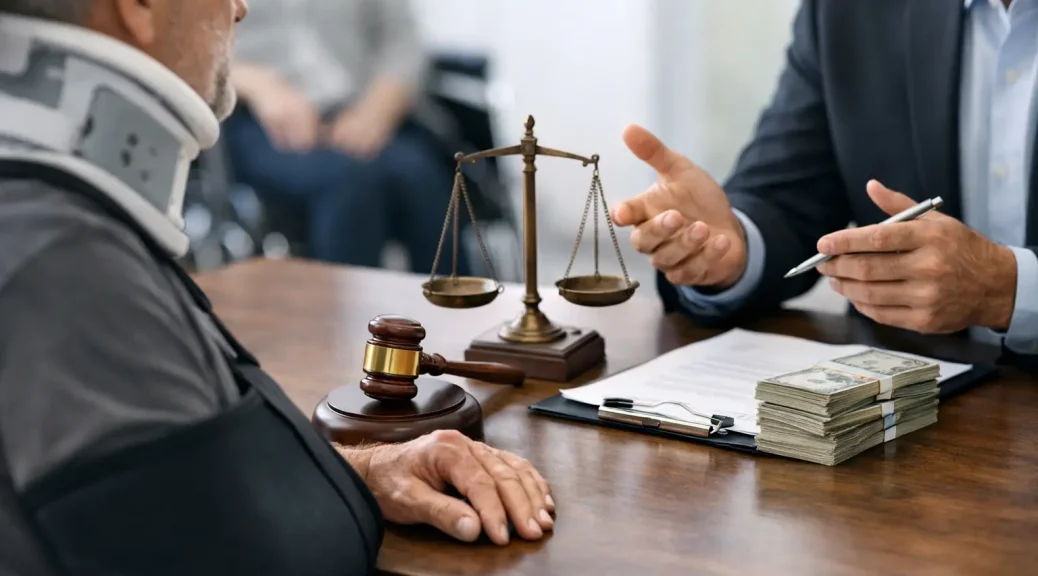

Catastrophic Injury Settlement Factors That Matter

A catastrophic injury changes far more than a medical chart. A person may be unable to return to work, need daily assistance, face repeated surgeries, or require a home and vehicle that can accommodate a disability. That is why catastrophic injury settlement factors must be evaluated with care from the beginning of a claim. A quick offer may address bills already received, yet fail to protect the injured person from the costs that will continue for years.

For families facing this situation, the question is not simply, “What is the case worth?” The more useful question is whether a proposed settlement accounts for the full harm caused by the injury and the resources needed to move forward with dignity. At Afshar Law, serious representation begins with listening to what the injury has taken from a client’s life, then building a claim prepared to withstand insurance company pressure.

What Makes an Injury Catastrophic?

There is no single medical label that automatically determines the value of a personal injury claim. In practice, catastrophic injuries are those with lasting, life-altering consequences. They often include traumatic brain injuries, spinal cord injuries, paralysis, severe burns, amputations, multiple fractures with permanent limitations, and injuries causing significant cognitive impairment.

The diagnosis matters, but the functional impact often matters just as much. Two people can sustain similar injuries on paper and have very different futures. One may recover enough to resume employment and independent living. Another may need mobility equipment, skilled nursing care, therapy, and help with ordinary tasks. A fair settlement analysis must account for that difference rather than treating every injury category the same.

The Catastrophic Injury Settlement Factors That Carry Weight

The need for future medical care

Past medical bills are generally easier to identify because they are already documented. Future care requires a more careful analysis. A person with a spinal injury may need future procedures, physical therapy, pain management, medication, assistive devices, periodic imaging, and treatment for complications that arise over time.

Medical records are the foundation, but they may not tell the full story on their own. Treating physicians and qualified experts can help explain the anticipated course of care, likely costs, and the consequences of delaying treatment. This evidence matters because an injury settlement is usually final. Once a claim is resolved, the injured person generally cannot return for more compensation if future needs prove more expensive than expected.

Lost income and reduced earning capacity

A catastrophic injury may prevent someone from working for months, years, or permanently. Lost wages address income missed while recovering. Reduced earning capacity addresses something broader: the loss of a person’s ability to earn income in the future.

This can be especially significant for a young worker, a skilled tradesperson, a business owner, or a parent whose work supports an entire household. The calculation may require analysis of employment history, expected career progression, benefits, education, and whether the person can perform any work at all. It is not enough to look only at the injured person’s current paycheck when the injury has altered a career path.

Pain, impairment, and loss of daily independence

Not every consequence of a catastrophic injury appears on an invoice. Chronic pain, physical limitations, sleep disruption, depression, anxiety, scarring, and the inability to participate in family life can all be part of the harm. Texas law may permit recovery for non-economic losses in appropriate cases, including physical pain, mental anguish, physical impairment, and disfigurement.

These damages are personal, but they still require credible proof. Medical documentation, photographs, testimony from family members, and the injured person’s own account of daily challenges can help show the real impact. A person who can no longer pick up a child, drive independently, enjoy a former hobby, or care for a home has experienced a loss that should not be minimized because it is harder to place in a spreadsheet.

Liability and the available evidence

The severity of an injury does not, by itself, establish legal responsibility. A strong claim must show how the collision, unsafe property condition, defective product, or other conduct caused the injury. Evidence can include police reports, crash data, surveillance footage, photographs, witness statements, vehicle inspections, maintenance records, company policies, and cell phone or electronic data when relevant.

In truck and commercial vehicle cases, early investigation can be particularly important. Evidence may identify hours-of-service violations, poor maintenance, inadequate hiring practices, distracted driving, or failures in supervision. In construction and workplace cases, the analysis may involve site conditions, safety procedures, equipment, subcontractor roles, and whether a third party contributed to the harm.

Evidence can become unavailable with time. That is one reason an injured person or family should seek legal guidance before providing detailed statements, signing broad authorizations, or accepting an insurer’s first offer.

Fault under Texas law

Texas follows a proportionate responsibility system. In many cases, an injured person’s recovery can be reduced by that person’s percentage of responsibility. If the injured person is found more than 50 percent responsible, recovery may be barred.

Insurance companies know this rule and may look for ways to shift blame. They may argue that a driver was speeding, a pedestrian was inattentive, or an injured worker failed to follow a safety procedure. Those arguments are not automatically correct. A thorough investigation can reveal the full context, including the conduct of every person or company involved.

Fault is rarely as simple as it first appears. A serious case should be assessed on its evidence, not on an insurer’s early characterization of what happened.

Insurance coverage and other sources of recovery

A claim’s value and the amount that can realistically be collected are related but different questions. A devastating injury may create substantial damages, while the at-fault individual carries limited insurance. In other cases, additional coverage may be available through a commercial policy, an employer, an umbrella policy, uninsured or underinsured motorist coverage, or another responsible party.

Identifying all potentially responsible parties and applicable policies is a critical part of protecting a client’s interests. For example, a truck driver’s negligence may involve the driver, the trucking company, a maintenance provider, a cargo company, or another entity depending on the facts. The same careful review is needed in premises liability, construction, and product-related cases.

The quality of case preparation

Insurance companies evaluate risk. They consider whether the injured person has evidence, whether medical treatment is well documented, whether expert analysis supports future losses, and whether the legal team is prepared to take the matter forward if a fair resolution is not offered.

Preparation does not guarantee a particular result, and many cases resolve without trial. Still, a claim supported by organized evidence, clear damages analysis, and serious advocacy is in a stronger position than one rushed toward settlement. The right strategy depends on the client’s medical condition, the evidence, the available coverage, and the practical risks of litigation.

Why Early Settlement Offers Deserve Careful Review

After a major accident, financial pressure can make any offer feel difficult to refuse. Medical bills may arrive quickly, income may stop, and insurers may present a payment as a helpful solution. Yet early offers often come before the full medical picture is known.

A settlement should be reviewed in light of maximum medical improvement, projected treatment, future work limitations, and any liens or reimbursement obligations that could affect the client’s net recovery. There are cases where an early settlement makes sense, particularly when liability is disputed or coverage is limited. But it should be a reasoned decision, not a decision forced by uncertainty or pressure.

Building a Claim Around the Person, Not Just the Injury

A catastrophic injury case is not only about records, reports, and numbers. It is about a person whose ordinary life has been interrupted by someone else’s negligence. Effective representation connects the evidence to that person’s actual needs: secure medical care, financial stability, support for the household, and accountability from the parties who caused the harm.

If you or someone close to you is living with the effects of a severe injury, protect the claim before the next conversation with an insurance company. Personal attention, careful investigation, and determined advocacy can provide the clarity needed to make decisions that protect your future.

Third Party Workplace Injury Claim in Texas

A serious injury at work can change a family’s financial footing in a single shift. You may be dealing with pain, medical appointments, missed paychecks, and pressure from an employer or insurance company before you have had time to understand what happened. A third party workplace injury claim may offer an additional path to compensation when someone other than your employer caused or contributed to the injury.

For injured Texans, that distinction can be significant. Workers’ compensation benefits can help with medical care and a portion of lost income, but they are often limited. A claim against a negligent third party may allow recovery for damages workers’ compensation does not fully address. The facts matter, the timing matters, and early investigation can make a meaningful difference.

What Is a Third Party Workplace Injury Claim?

A third-party claim is a personal injury claim brought against a person, company, or entity outside your employer that may be legally responsible for your workplace injury. It does not mean your injury happened away from the job. It means another party had a duty to act safely and failed to meet it.

Consider a delivery driver injured when another motorist runs a red light. The driver was working, but the at-fault motorist is not the driver’s employer. Or consider a construction worker hurt by a defective lift, an unsafe work area controlled by another contractor, or a falling object caused by a subcontractor on a shared jobsite. Those circumstances may support a claim against the responsible outside party.

These cases often arise from vehicle collisions, construction accidents, dangerous property conditions, defective tools or equipment, or negligent contractors. In some situations, more than one party may share responsibility. A property owner, general contractor, equipment manufacturer, maintenance company, or commercial vehicle operator may each have separate obligations that contributed to the harm.

Workers’ Compensation and Third-Party Claims Are Different

Workers’ compensation and a third-party injury claim serve different purposes. Workers’ compensation is generally a no-fault system. If your employer carries workers’ compensation insurance and your injury is work-related, you typically do not need to prove that your employer caused the injury to receive eligible benefits. In exchange, employees are generally restricted from suing a subscribing employer for ordinary negligence.

A third-party claim is different. You must establish that the outside party acted negligently or was otherwise legally responsible. That may require proof of a distracted driver’s conduct, a contractor’s safety failure, a property owner’s knowledge of a hazardous condition, or a product defect in critical equipment.

The potential recovery is also different. Depending on the facts, a successful third-party claim may seek compensation for the full scope of harm, including medical expenses, lost earnings, diminished future earning capacity, physical pain, mental anguish, physical impairment, and disfigurement. In the most serious cases, these damages can be far greater than the benefits available through workers’ compensation alone.

That does not mean every work injury has a viable third-party case. It depends on who caused the accident, what evidence exists, whether the responsible party had a duty to you, and how Texas law applies to the particular setting. A careful legal review protects against overlooking a valid claim simply because the injury occurred on the clock.

What if Your Employer Does Not Carry Workers’ Compensation?

Texas is different from many states because some employers choose not to subscribe to the workers’ compensation system. If an employer is a nonsubscriber, an injured employee may have the right to bring a negligence claim directly against that employer. Those claims involve different rules and defenses than workers’ compensation matters.

A nonsubscriber case is not necessarily easier. Employers and their insurers may dispute how the incident occurred, whether the injury was work-related, or the extent of the losses. But the available damages may be broader than workers’ compensation benefits. Determining whether an employer is a subscriber or nonsubscriber should be one of the first steps after a serious workplace injury.

Common Situations That May Support a Claim

Workplaces are not always controlled by one company. This is especially true on construction sites, oil and gas locations, warehouses, commercial properties, and delivery routes. A worker may follow every safety rule and still be exposed to risks created by others.

A third-party case may be worth investigating when an injury involves:

  • A car, truck, or commercial vehicle crash caused by another driver while you were working
  • A general contractor, subcontractor, or site operator that created an unsafe condition
  • A property owner that failed to repair, warn about, or address a known hazard
  • Defective machinery, tools, safety equipment, or industrial products
  • A negligent maintenance, security, transportation, or delivery company

The label attached to a company does not decide liability. The real questions are who controlled the area, who controlled the work, what safety obligations applied, and what conduct led to the injury. On a construction project, for example, a general contractor may control site-wide safety while a subcontractor controls a specific task. The answer requires more than a quick review of an incident report.

Why Early Action Protects Your Case

After an accident, evidence can disappear with surprising speed. A damaged vehicle is repaired, a defective tool is discarded, security footage is overwritten, or a jobsite changes before anyone documents the dangerous condition. Insurance companies often begin their own investigation immediately, with their interests in mind.

Preserving evidence is not about assuming the worst. It is about protecting your ability to establish the truth. Photographs, witness names, work schedules, maintenance records, inspection reports, jobsite communications, vehicle data, and medical documentation may all become important. In a product-related case, preserving the actual equipment can be essential.

You should report the injury promptly, seek appropriate medical care, and be accurate when describing what happened. Avoid speculation. Do not sign a broad release, accept a quick settlement, or give a recorded statement to another party’s insurer before you understand the consequences. A settlement that appears helpful during a financial crisis may not account for future treatment, permanent restrictions, or lost earning ability.

Texas also imposes deadlines for injury claims. The applicable deadline may vary based on the claim, the parties involved, and other circumstances. Waiting can weaken a case even before a formal deadline expires because witnesses become harder to find and evidence becomes less reliable.

How a Workers’ Compensation Lien Can Affect Recovery

When workers’ compensation has paid benefits, the carrier may have a right to be reimbursed from a recovery obtained from the responsible third party. This is often called subrogation. It is a technical issue, but it matters because it can affect the amount an injured worker ultimately receives.

A strong strategy considers the third-party case and the workers’ compensation claim together. The goal is not simply to secure a settlement number. It is to evaluate the full value of the injury, identify every responsible party, address reimbursement issues, and protect as much of the client’s recovery as the law allows.

This coordination is particularly important in catastrophic injury and wrongful death cases, where medical expenses, wage losses, and long-term family needs may be substantial. Every case deserves an approach tailored to the person behind the file, not a formula designed for speed.

What a Thorough Investigation Looks Like

A serious workplace injury case should be prepared with the same care it would receive if it were headed to trial. That can include reviewing contracts to understand jobsite responsibilities, examining safety policies and training records, interviewing witnesses, consulting qualified experts, and analyzing insurance coverage beyond the first policy identified.

Commercial insurance issues can be complicated. A trucking company, contractor, property owner, and equipment manufacturer may each point to someone else. The responsible parties may deny control, blame the injured worker, or argue that a hazard was open and obvious. A prepared legal team tests those defenses against the records, the physical evidence, and the governing law.

At Afshar Law, the focus is on personal attention backed by determined advocacy. That means listening to how the injury has affected your work, health, and family, then building a strategy around the realities of your case. There are no guaranteed results, but your claim should receive serious preparation and a clear explanation of your options.

If a workplace injury was caused by someone outside your employer, you do not have to sort through the legal and insurance issues alone. Protect the records, protect your medical care, and get informed guidance before decisions made under pressure limit your path forward.

Premises Liability Evidence in Texas That Matters

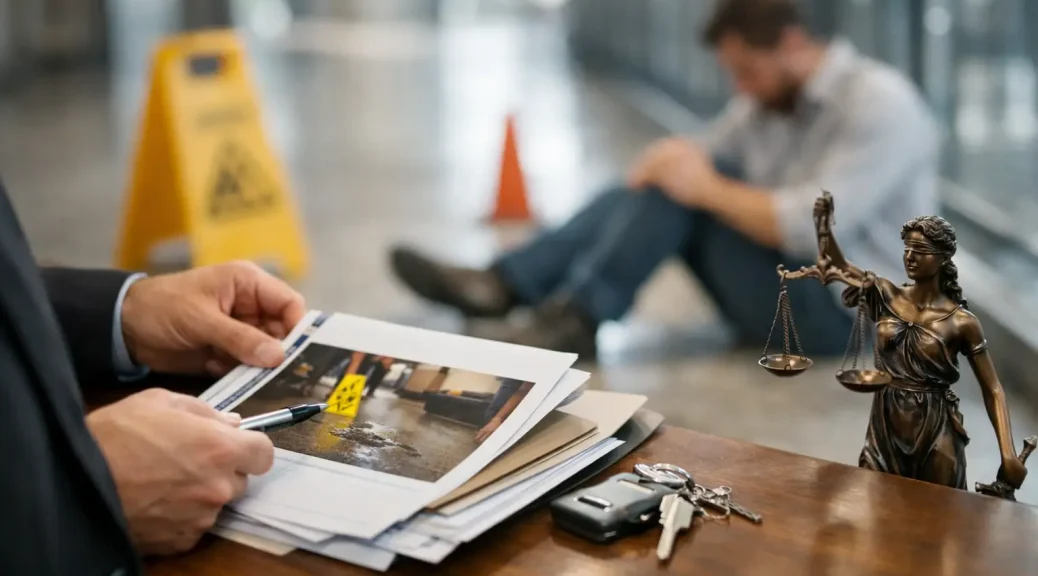
A wet floor is cleaned. A broken handrail is repaired. Security footage records over itself. Within days of a fall or other injury, the proof of what happened can begin to disappear. That is why premises liability evidence Texas injury victims collect early can shape whether an insurance company takes a claim seriously or tries to deny responsibility.

If you were hurt at a grocery store, apartment complex, restaurant, parking lot, construction site, hotel, or another property, the pain is only part of the problem. You may also be facing medical bills, missed work, and an owner or insurer suggesting that the incident was simply an accident. Strong evidence helps protect your right to seek accountability when unsafe property conditions caused preventable harm.

What Must Be Proven in a Texas Premises Liability Claim

A premises liability case is not automatically established because someone was injured on another person’s property. Texas law generally requires an injured person to show that the property owner, occupier, manager, or another responsible party had a duty to keep the premises reasonably safe, knew or should have known about an unreasonably dangerous condition, failed to use reasonable care to address it or warn visitors, and caused the injury.

The details matter. The duty owed can depend on why the person was on the property. Customers in a business, tenants, and invited guests are often owed a duty to protect against or warn of dangerous conditions the owner knew about or reasonably should have discovered. The legal analysis may be different for a social guest or someone who entered property without permission.

That is one reason property insurers focus so heavily on notice. They may argue there was no proof that the owner knew about the spill, loose tile, poor lighting, defective gate, damaged staircase, or inadequate security condition before the injury occurred. Evidence must tell the complete story, not merely show the injury.

The Most Useful Premises Liability Evidence in Texas

The best evidence is often the evidence created closest in time to the incident. It can document the hazardous condition before repairs, cleanup, fading memories, or missing records make the facts harder to establish.

Photos and video of the condition

Photographs can show a spill with no warning sign, a cracked sidewalk, a missing stair tread, uneven flooring, obstructed walkways, poor lighting, or unsafe conditions around a pool or parking area. Take wide photos to establish the location and closer images to capture the defect. If possible, photograph nearby cameras, warning signs, weather conditions, footwear, lighting, and the route you were required to use.

Video may be even more revealing. Store or apartment surveillance can show how long a hazard existed, whether employees walked past it, the absence of warnings, or the moments immediately before and after the incident. The property owner controls this footage in many cases, and retention periods can be short. Prompt action to preserve it is critical.

Incident reports and early statements

Report the incident before leaving the property when your condition permits. Ask that the report accurately identify where and when it happened, what caused it, and which employees or managers responded. Request a copy if one is available, but do not assume a business will voluntarily provide it.

Be careful with recorded statements, forms, and casual conversations with an insurer. A person in pain may not know the full extent of an injury or may unintentionally minimize what happened. Stick to the facts. Do not guess about conditions you did not see or accept blame simply because an employee suggests you should have noticed the hazard.

Witness information

An independent witness can be powerful evidence. A fellow customer, neighbor, delivery driver, tenant, or employee may have seen the dangerous condition, the fall, prior complaints, or the property owner’s response afterward. Obtain names, phone numbers, and email addresses when possible.

Witness memories change quickly. A statement gathered early is usually more useful than a recollection offered months later, after the property has been repaired and the dispute has hardened.

Maintenance, inspection, and complaint records

A property owner may have records showing routine inspection schedules, cleaning logs, maintenance requests, repair invoices, prior incident reports, tenant complaints, employee communications, or vendor contracts. These documents may establish that a condition existed long enough to be discovered, that similar problems had occurred before, or that the owner failed to follow its own safety procedures.

For example, a store may claim a spill happened seconds before a customer fell. But inspection logs, surveillance footage, and employee testimony may show no one checked that aisle for an extended period. In an apartment case, repeated written complaints about a broken railing or inadequate lighting can directly address the owner’s prior notice.

Medical evidence and proof of financial loss

Medical records connect the incident to the injuries you suffered. Seek appropriate medical care promptly, follow treatment recommendations, and keep records of appointments, prescriptions, therapy, imaging, and out-of-pocket costs. Delays in treatment do not automatically defeat a claim, but insurers frequently use gaps in care to question whether an injury was caused by the incident.

Lost-wage documentation also matters. Pay stubs, employer letters, tax records, and work restriction notes can help demonstrate income lost while recovering. Serious injuries may require evidence from treating physicians, rehabilitation providers, vocational experts, or other qualified professionals to explain future medical needs and reduced earning capacity.

Why Notice Is Often the Central Dispute

In many Texas premises cases, the question is not whether a floor was wet or a walkway was damaged. The dispute is whether the responsible party had actual or constructive knowledge of the danger.

Actual knowledge may come from an employee seeing the hazard, a tenant submitting a maintenance request, a manager receiving a complaint, or a prior incident at the same location. Constructive knowledge means the condition existed long enough, or was apparent enough, that reasonable inspection and maintenance would have uncovered it.

There is no fixed number of minutes or days that proves constructive knowledge in every case. A puddle near a store entrance during heavy rain may raise different questions than a deteriorating stairway in a residential complex. The property’s inspection practices, the nature of the hazard, foot traffic, weather, prior complaints, and surveillance evidence can all affect the analysis.

Evidence Can Also Address Blame-Shifting

Property owners and insurers often argue that the injured person was distracted, ignored an obvious warning, wore improper shoes, entered a restricted area, or caused the incident. Texas uses a proportionate responsibility system. If a fact finder assigns some fault to the injured person, a recovery may be reduced by that percentage. If the injured person is found more than 50% responsible, recovery may be barred.

That does not mean an insurer’s first version of events is correct. Photos, video, witness testimony, lighting records, and the layout of the property may show that a warning was not visible, a path was unavoidable, or the condition was far more dangerous than the owner admits. Evidence protects against a one-sided narrative.

What to Do Before Evidence Disappears

Your health comes first. After receiving needed medical attention, preserve what you can. Keep the shoes and clothing worn during the incident without washing or altering them if they may show residue, tears, or other relevant details. Save photos, messages, receipts, medical paperwork, and any communications with the property owner or insurer.

Avoid posting about the incident or your activities on social media. A single photo or comment, stripped of context, may be used to challenge the severity of an injury. Do not authorize broad access to private medical records without understanding what is being requested and why.

Texas generally has a two-year deadline for many personal injury claims, but waiting is risky even when the filing deadline is not close. Claims involving government-owned property can involve much shorter notice requirements. The right strategy depends on the property, the cause of the injury, the available insurance, and the evidence that can still be preserved.

Serious Preparation Protects Your Claim

A thorough premises liability investigation may require more than collecting photographs. It can involve identifying every responsible party, preserving surveillance footage, reviewing maintenance practices, examining contracts between owners and contractors, interviewing witnesses, and working with appropriate experts when the condition or injuries are complex.

At Afshar Law, every matter is approached with personal attention, integrity, and a commitment to serious preparation. You should not have to face an insurance company alone while trying to heal.

If an unsafe property condition injured you or someone you love, acting early can help preserve the proof that may otherwise be lost. A careful legal evaluation can clarify your options and help protect your claim before the facts are rewritten by time.

Pedestrian Accident Compensation in Texas Explained

A driver looks down for a few seconds, rolls through a crosswalk, or turns without checking for people on foot. The person struck may face far more than a painful injury. Medical appointments, missed work, rehabilitation, and insurance calls can quickly become overwhelming. Pedestrian accident compensation in Texas can help address those losses, but the outcome often depends on what happens in the days and weeks after the crash.

A serious injury claim is not just about submitting bills to an insurer. It is about identifying every responsible party, preserving evidence before it disappears, and presenting the full effect of the injury with care and conviction. You should not have to carry that burden alone while trying to heal.

What Pedestrian Accident Compensation in Texas May Cover

Texas law allows an injured pedestrian to seek damages from a person or company whose negligence caused the collision. Negligence may include speeding, distracted driving, failing to yield at a crosswalk, driving while intoxicated, running a red light, or making an unsafe turn.

Compensation should reflect more than the first emergency room bill. Depending on the facts, a claim may include payment for past and future medical care, lost wages, reduced ability to earn income, physical pain, mental anguish, physical impairment, and disfigurement. If the pedestrian’s injuries are fatal, surviving family members may have a wrongful death claim for losses such as lost financial support, lost companionship, and funeral expenses.

The value of a case depends on the evidence, the severity and permanence of the injuries, available insurance coverage, and the conduct of those involved. A minor soft-tissue injury and a traumatic brain injury do not present the same medical or financial consequences. There are no guaranteed results, but a careful legal strategy can make sure the claim reflects the real harm rather than an insurance company’s lowest estimate.

Fault Matters, But It Is Not Always Simple

Drivers have a duty to watch the road and take reasonable care to avoid striking pedestrians. That duty does not disappear because a pedestrian was not in a marked crosswalk. At the same time, insurers often search for reasons to shift blame to the injured person. They may argue that the pedestrian crossed outside a crosswalk, wore dark clothing, entered traffic too quickly, or was distracted.

Texas follows a modified comparative responsibility rule. An injured person may generally recover compensation if they are not more than 50 percent responsible for the incident. Their recovery is reduced by their percentage of responsibility. For example, a person found 20 percent at fault may recover 80 percent of the damages established in the case. A person found 51 percent or more responsible is generally barred from recovering from the other party.

That rule makes a thorough investigation essential. The police report is a useful starting point, but it is not always the final word on fault. Video from nearby businesses, traffic cameras, vehicle data, witness statements, photographs, roadway design, and cell phone records may tell a more complete story.

Common Parties Who May Be Responsible

The driver is often the first party examined, but not always the only one. If the at-fault driver was working at the time of the collision, an employer may bear responsibility. A commercial vehicle claim may also involve a trucking company, delivery service, contractor, or company responsible for vehicle maintenance.

In some cases, dangerous property or roadway conditions contribute to the crash. Poor lighting, obstructed sight lines, malfunctioning signals, unsafe construction zones, or defective sidewalks may create separate questions about responsibility. Claims involving a government entity can carry special notice requirements and shorter deadlines, so waiting can be costly.

Evidence That Can Protect Your Claim

Evidence has a short shelf life after a pedestrian collision. Video can be recorded over. A vehicle can be repaired. Witnesses can forget details. Early action gives your legal team a better opportunity to preserve the facts before they are lost.

If your condition allows, save photos of the scene, your injuries, damaged clothing, and anything that may show where the crash occurred. Keep copies of medical records, prescriptions, receipts, work restrictions, and communications with insurers. The names and contact information of witnesses can be especially valuable.

It is also wise to be careful with social media. A single photo or comment can be taken out of context and used by an insurer to argue that an injury is less serious than reported. Focus on treatment and recovery rather than discussing the collision publicly.

Dealing With Insurance Companies After a Pedestrian Crash

An insurance adjuster may sound helpful while asking questions designed to limit the claim. A quick settlement offer can be tempting when bills are arriving and income has stopped. Yet early offers often come before the full medical picture is known.

Before accepting a settlement, consider whether you have reached maximum medical improvement, whether future treatment is likely, and whether the offer accounts for lost earning capacity as well as current lost wages. Once a settlement and release are signed, seeking additional compensation for the same injury is usually not possible.

You are generally not required to provide a recorded statement to the other driver’s insurer without legal guidance. You also do not have to accept an adjuster’s first assessment of fault or value. A strong claim is built on documented facts, medical support, and a clear account of how the injury has changed your daily life.

When the At-Fault Driver Has Little or No Coverage

Texas drivers are required to carry liability insurance, but the required minimum coverage may be far below the cost of a serious pedestrian injury. Some drivers are uninsured altogether. That does not necessarily end the inquiry.

Your own auto policy may include uninsured or underinsured motorist coverage that applies when you are hit while walking. Medical payments coverage and personal injury protection may also be relevant, depending on the policy. These claims deserve careful review because your own insurer may still challenge fault, causation, or the amount of your damages.

Deadlines Can Affect Pedestrian Accident Compensation Texas Claims

Most Texas personal injury lawsuits must be filed within two years of the date of the accident. Wrongful death claims generally have a two-year deadline as well. But exceptions exist, and claims involving cities, counties, or other governmental entities can require formal notice much sooner.

A deadline is not simply a calendar concern. The longer a person waits, the harder it may become to locate witnesses, retrieve footage, and document the connection between the collision and ongoing medical needs. Prompt legal advice can protect options without forcing you to make rushed decisions.

A Claim Should Reflect the Person Behind It

A pedestrian crash can disrupt a career, a family routine, and a person’s sense of security in a matter of seconds. The legal process should not reduce that experience to a claim number or a stack of invoices. It should account for the practical pressure you are facing and provide a path toward accountability.

At Afshar Law, serious representation begins by listening. Each case receives personal attention, a tailored strategy, and determined advocacy against insurers and opposing parties. The firm prepares claims with the integrity and commitment to excellence that difficult moments demand.

If you or someone you love was hit by a vehicle, get medical care, preserve what you can, and seek a clear understanding of your options before agreeing to an insurer’s terms. Your case matters, but you matter more.

Commercial Vehicle Accident Liability in Texas

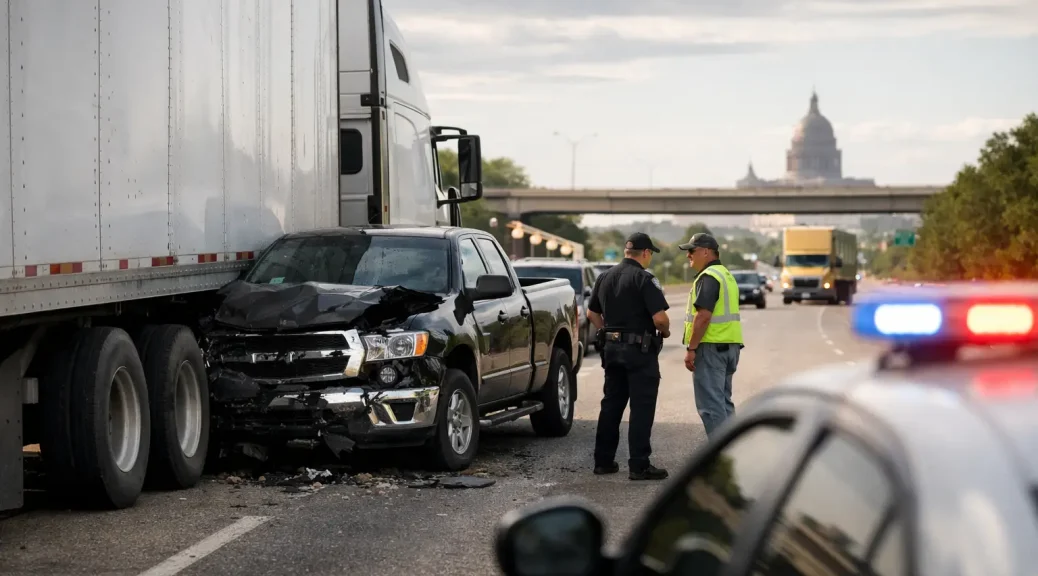
A crash involving a delivery van, company pickup, 18-wheeler, shuttle, or work truck can change the legal picture immediately. Commercial vehicle accident liability Texas claims often involve more than one responsible party, multiple insurance policies, and evidence that can disappear within days. If you were injured, the question is not simply who was driving. The question is who had a legal duty to prevent the collision and whether their conduct caused your losses.

The physical consequences can be severe, but the pressure that follows can be just as difficult: medical appointments, missed work, vehicle damage, insurance calls, and uncertainty about what comes next. A careful investigation can identify the parties responsible and protect your ability to pursue fair compensation.

Commercial Vehicle Accident Liability Texas Claims: Who May Be Responsible?

A commercial vehicle is any vehicle used for business purposes. It may be a tractor-trailer operated by a motor carrier, a landscaping truck, a rideshare vehicle, a utility vehicle, a company-owned passenger van, or a personal vehicle an employee was using for work.

The driver may be liable when careless conduct caused the crash. Common examples include speeding, distracted driving, unsafe lane changes, tailgating, running a red light, driving while fatigued, or failing to account for a vehicle’s size and stopping distance. A commercial driver is not automatically at fault simply because they were working, but professional driving duties and company safety rules often matter when evaluating the facts.

The driver’s employer may also be responsible. Under Texas law, an employer can generally be liable for an employee’s negligence when the employee was acting within the course and scope of employment. For example, a delivery driver who causes a wreck while making scheduled deliveries may create a claim against both the driver and the company.

That analysis is not always straightforward. A company may argue that the driver was an independent contractor, was using the vehicle for a personal errand, or acted outside assigned duties. Labels alone do not decide the issue. The real relationship, the company’s control over the work, dispatch records, contracts, vehicle ownership, and the purpose of the trip can all be relevant.

Other parties may share responsibility as well. A trucking company could face claims for negligent hiring, training, supervision, retention, or vehicle maintenance. A contractor may have overloaded a truck or failed to secure cargo. A vehicle manufacturer or repair provider may be implicated if a defective part or negligent repair contributed to the collision. In some cases, another driver, a construction company, or a governmental entity responsible for unsafe road conditions may also be part of the case.

Evidence Can Decide the Strength of the Claim

Commercial vehicle cases are often won or lost through early evidence. The other side may have access to records that an injured person cannot obtain without prompt legal action. A police report is valuable, but it is only one piece of the picture.

Electronic data can show vehicle speed, braking, hard turns, hours of operation, and sometimes the sequence of events before impact. Depending on the vehicle and business, evidence may include dash-camera footage, dispatch communications, GPS records, maintenance files, inspection reports, driver qualification documents, cell phone records, shipping documents, and cargo-loading records.

This information may not be retained indefinitely. Video can be overwritten, and electronic data may be recorded over during normal operations. Sending a timely preservation request can put a company on notice that relevant evidence must be protected. An experienced attorney can also investigate the crash scene, obtain available witness information, review photographs, and work with qualified accident reconstruction or trucking experts when the facts call for it.

Do not assume the company will voluntarily provide the full story. Insurers and corporate defendants often begin evaluating their defense immediately. Preserving the facts early gives you a better chance to present a clear, documented claim.

Insurance Coverage Is Often More Complicated Than It Appears

A commercial vehicle may be covered by a business auto policy, an excess or umbrella policy, cargo-related coverage, or other layers of insurance. The policy limits and parties named on the paperwork do not always tell the whole story. A leased vehicle, subcontracted delivery route, or shared business operation can create disputes about which company controlled the driver and which insurer must provide coverage.

Insurance adjusters may contact you soon after a crash and request a recorded statement, medical authorization, or quick settlement. Early offers can arrive before the full extent of treatment, future care needs, lost earning capacity, or permanent limitations is known. Accepting a settlement generally ends the claim, even if later complications become clear.

You do not need to make a rushed decision while you are in pain or still seeking answers. Before signing documents or giving a detailed statement, consider obtaining legal advice tailored to your circumstances. A serious claim should be evaluated based on the evidence, the available coverage, and the actual impact the injury has had on your life.

Your Own Conduct May Be Raised as a Defense

Texas uses a proportionate-responsibility system. The defense may argue that an injured driver, passenger, pedestrian, or motorcyclist contributed to the crash by speeding, failing to yield, using a phone, or otherwise acting carelessly. If a claimant is found partly responsible, recoverable damages can be reduced by that percentage. A claimant found more than 50 percent responsible is generally barred from recovering damages from the other responsible parties.

This does not mean that a commercial company escapes responsibility whenever it can point to a mistake by someone else. Fault must be supported by evidence, not assumption. A thorough investigation matters because the initial narrative often changes once video, vehicle data, witness testimony, and company records are reviewed.

Steps to Take After a Commercial Vehicle Crash

Your first priority is your health. Seek medical attention promptly, follow the treatment plan you are given, and report new or worsening symptoms to your medical provider. Delays can affect both your well-being and the insurance company’s view of whether the collision caused your injuries.

If you can do so safely, preserve what you have. Save photographs, videos, medical paperwork, repair estimates, witness contact information, and all communications from insurers or employers. Write down what you remember while details are fresh, including the company name on the vehicle, license plate number, driver statements, weather conditions, and the direction each vehicle was traveling.

Avoid posting about the collision or your injuries on social media while the matter is pending. Posts, photographs, and comments can be taken out of context and used to challenge your claim. It is also wise to avoid authorizing broad access to your medical history without understanding what is being requested and why.

Deadlines Can Be Shorter Than Expected

Many Texas personal injury claims are subject to a two-year limitations period, but exceptions and separate notice requirements can apply. Claims involving a city, county, state agency, or other governmental entity may require notice much sooner. Waiting also creates practical problems because witnesses move, memories fade, and evidence can be lost.

A lawyer can assess the deadline that applies to your claim, identify potential defendants, and take steps to preserve evidence before critical records disappear. The sooner the facts are reviewed, the more options may be available.

Compensation Should Reflect the Full Harm

A commercial vehicle collision can create losses that extend far beyond emergency care and repair bills. Depending on the facts, a claim may seek compensation for medical expenses, future treatment, lost income, reduced earning capacity, pain and suffering, physical impairment, disfigurement, and property damage. Families who lose a loved one may have a wrongful death claim, though the available damages and parties entitled to bring the case depend on the circumstances.

Every case is different. The value of a claim depends on the severity of injuries, the evidence of fault, insurance coverage, medical prognosis, and many other factors. No responsible lawyer should promise a result before the evidence is developed. What you should expect is serious preparation, direct communication, and an advocate willing to stand up to insurers and companies that try to minimize the harm done.

Afshar Law approaches commercial vehicle cases with personal attention and determined advocacy. You deserve clear answers, not pressure to accept less than your case may warrant. Taking action early can help protect the evidence, your rights, and the stability you need to move forward.

Texas Car Accident Claim Deadline Explained

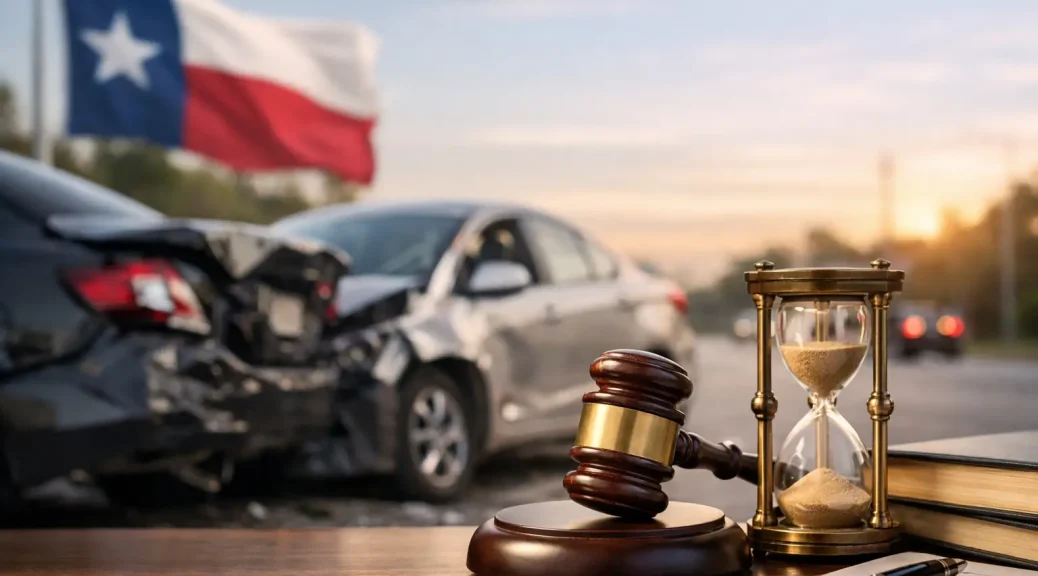
The Texas car accident claim deadline can be the difference between having a meaningful opportunity to pursue compensation and losing the right to bring a case at all. After a collision, deadlines may be the last thing on your mind. You may be treating injuries, missing work, arranging repairs, and trying to get a straight answer from an insurance adjuster. But insurance negotiations do not pause the legal clock.

For most injured people, the core deadline is two years. That sounds straightforward, yet the correct deadline can depend on who caused the crash, who was injured, the type of damages involved, and whether a government entity or uninsured driver may be involved. Taking informed action early protects your options and gives your claim the serious preparation it deserves.

The Basic Texas Car Accident Claim Deadline

In Texas, a lawsuit for personal injuries caused by a car accident generally must be filed within two years of the date of the crash. The same two-year statute of limitations generally applies to a claim for vehicle damage. If a collision causes a fatal injury, surviving family members typically have two years to bring a wrongful death claim as well.

The key word is filed. Opening an insurance claim, exchanging emails with an adjuster, or receiving a settlement offer does not preserve your right to sue. If the two-year deadline expires before a lawsuit is filed in the proper court, the at-fault driver or other responsible party can ask the court to dismiss the case as untimely.

That result can be especially harsh when an insurer has spent months suggesting that a settlement may be possible. An adjuster has no duty to remind you that the filing deadline is approaching. Their job is to protect the insurer’s financial interests. Yours is to protect your health, financial stability, and legal rights.

Why Waiting Can Weaken a Strong Claim

A two-year deadline is not a recommendation to wait two years. Evidence often begins disappearing within days or weeks. Video from nearby businesses may be overwritten, witnesses may become difficult to locate, and vehicles may be repaired, sold, or destroyed before they can be inspected.

Medical evidence also develops over time. Some injuries, including concussions, spinal injuries, and soft-tissue damage, may not reveal their full impact immediately. A prompt investigation can preserve the connection between the collision and your condition while your medical providers continue to evaluate your recovery.

Early action does not mean rushing into a settlement before you understand your injuries. It means putting the right protections in place. A well-prepared claim can preserve evidence, identify all potentially responsible parties, monitor deadlines, and allow the injured person time to reach a clearer medical picture.

Deadlines That May Be Much Shorter

The standard two-year rule does not apply neatly to every case. Some situations require notice far earlier than the deadline to file a lawsuit.

Crashes Involving Government Vehicles

If a city, county, state agency, school district, public transit authority, or other government entity may bear responsibility, special notice requirements may apply. Under the Texas Tort Claims Act, a claimant generally must provide notice within six months of the incident. Many local governments impose shorter notice periods, sometimes as little as 30, 60, or 90 days.

A government-related crash may involve more than an obvious city-owned vehicle. For example, questions can arise after a collision with a public bus, a vehicle driven by a government employee, or a crash connected to an unsafe roadway condition. These claims are subject to strict rules and limitations, so prompt legal review is critical.

Insurance Policy Deadlines

A claim against the driver who caused the crash is different from a claim under your own insurance policy. Personal injury protection, medical payments coverage, collision coverage, uninsured motorist coverage, and underinsured motorist coverage can each involve policy-specific notice and proof requirements.

Do not assume that the two-year lawsuit deadline controls every insurance benefit. Policies may require prompt notice, medical documentation, repair estimates, recorded statements, or proof of loss within a stated period. Delays can give an insurer grounds to challenge coverage, particularly if the delay affected its ability to investigate.

Commercial and Trucking Collisions

A crash involving a delivery van, company car, rideshare vehicle, or 18-wheeler can require immediate attention. The driver may not be the only responsible party. Depending on the facts, a claim may involve the employer, vehicle owner, contractor, cargo company, maintenance provider, or another business.

Commercial entities frequently have their own investigators and insurers responding quickly after a major collision. Preserving driver logs, electronic data, dispatch records, onboard camera footage, inspection reports, and maintenance records may be just as important as knowing the final filing deadline.

Exceptions: When the Clock May Change

Texas law recognizes limited circumstances that can pause or alter the running of the statute of limitations. These exceptions are fact-specific and should not be treated as a reason to delay.

When an injured person is a minor, the limitations period may be paused until adulthood. A similar rule may apply if a person is legally of unsound mind. In some circumstances, the absence of a defendant from Texas can affect the deadline. There may also be unusual situations involving a delayed discovery of an injury or the responsible party, though Texas courts do not apply a broad discovery rule to every crash case.

These rules can be complicated, and small factual differences matter. For example, a parent may have a separate claim for expenses arising from a child’s injury, and that claim can have a different deadline from the child’s own injury claim. A prompt case evaluation helps prevent an assumption from becoming a costly mistake.

Settlement Talks Do Not Stop the Clock

One of the most common misunderstandings after a collision is that an active insurance claim extends the legal deadline. It does not, unless there is a clear and enforceable written agreement to the contrary.

An insurer may request additional medical records, say it is reviewing the file, or make a low initial offer shortly before the deadline. None of those actions tolls the statute of limitations. Once a lawsuit is filed on time, negotiations can continue. Before that filing occurs, the clock continues to run.

This is why accepting a quick settlement simply to avoid uncertainty can be risky. A release usually ends the claim permanently, even if surgery becomes necessary later or lost income lasts longer than expected. On the other hand, refusing every settlement offer is not automatically the right strategy. The appropriate approach depends on liability evidence, available insurance coverage, medical prognosis, and the actual impact of the crash on your life.

What to Do After a Texas Collision

Your health comes first. Seek medical care, follow treatment recommendations, and report new or worsening symptoms. Then take practical steps that support a future claim: save photos, names of witnesses, repair records, medical bills, wage-loss information, and all communications from insurers.

Avoid giving a recorded statement or signing a broad medical authorization simply because an adjuster asks. You may need to cooperate with your own insurer, but you are entitled to understand what is being requested and why. Be especially cautious with early settlement offers that arrive before you know the scope of your injuries.

A thorough legal review can also identify deadlines that are not obvious from the police report. It can address whether multiple parties are involved, whether insurance coverage is available beyond the other driver’s policy, and whether fault may be disputed. Texas follows a modified comparative responsibility rule, meaning your recovery can be reduced by your percentage of fault and may be barred if you are found more than 50% responsible.

Serious Representation Before Time Runs Out

A car accident claim is not just an insurance file. It can involve your ability to obtain treatment, keep up with household expenses, repair or replace transportation, and move forward with security. At Afshar Law, every matter is approached with personal attention, careful investigation, and the determination to stand up to insurers and opposing parties when a client needs protection.

You do not need to have every answer before seeking guidance. Bring the documents you have, explain what happened, and ask direct questions about your options. The safest time to protect a claim is before the deadline becomes an emergency – while evidence can still be preserved and your legal strategy can be built around what you need most.