3100 S Gessner Rd., Ste.
205 Houston, Texas 77063
-
Free Consultation
-Personal Injury Cases Only- -
se habla español
888-755-5678
832-871-4040
se habla español
August 14 2026
The minutes after a collision are confusing. You may be hurt, your vehicle may be unsafe to drive, and the other driver or an insurance adjuster may already be shaping a different version of events. Knowing how to preserve crash evidence can protect your ability to prove what happened, the seriousness of your injuries, and the losses the crash has caused.
Evidence can disappear quickly. A damaged vehicle gets repaired or totaled, video footage is recorded over, witnesses become hard to locate, and commercial trucking companies may move fast to secure information in their possession. Taking a few careful steps early can make a meaningful difference later.
If you can do so safely, call 911 and wait for law enforcement. Seek medical care if you are injured or feel pain, dizziness, numbness, or confusion. Adrenaline can hide symptoms, especially after a serious car, truck, motorcycle, or pedestrian crash.
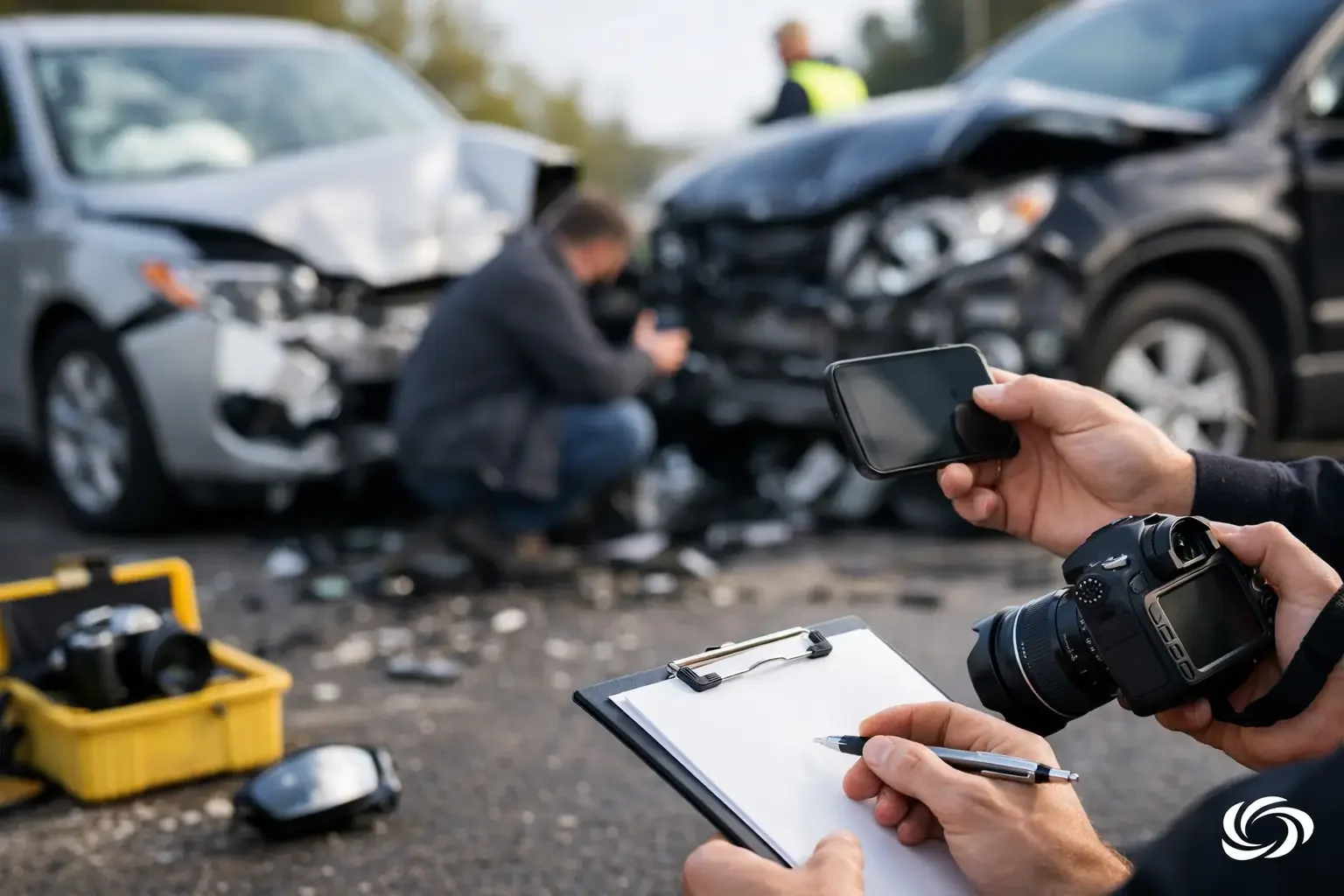
Once everyone is out of immediate danger, use your phone to document the scene. Take wide photos showing the road, intersection, weather, traffic signals, debris, skid marks, and final vehicle positions. Then take closer images of damage to every vehicle, license plates, airbags, broken glass, cargo, and any visible injuries.
Video can provide useful context that still photos miss. A slow walk-around video may capture the layout of the scene, nearby businesses with cameras, obstructed views, construction zones, or road conditions. Speak only to describe what you are recording. Avoid speculating about fault, apologizing, or making statements that could be misunderstood later.
Exchange insurance and contact information with the other driver, but do not rely on a verbal promise that they will handle the matter. If there are witnesses, ask for their names, phone numbers, and email addresses. Independent witnesses can be especially valuable when drivers give conflicting accounts.
Your phone is often the first evidence file after a crash. Do not edit, crop, add filters to, or delete original photos and videos. Back them up to a secure cloud account, external drive, or another device as soon as possible. Keep the original files because their dates, locations, and other data may matter.
Save all communications related to the crash, including texts with the other driver, messages from insurers, emails, voicemails, and rideshare or delivery-app records where applicable. Screenshot messages, but also retain the underlying conversation. A screenshot alone may not show the full context.
Create a simple written record while the details are fresh. Note the date and time, location, direction each vehicle was traveling, traffic signal status, estimated speeds if known, weather, lighting, who was present, and what you heard or observed. Do not guess. If you are uncertain, say so in your notes.
Keep a separate folder for every crash-related document. That folder should include the crash report number, tow receipt, repair estimates, rental-car paperwork, medical records, prescriptions, bills, work restrictions, and proof of missed income. These records help connect the collision to the financial and physical harm it created.
Vehicle damage can tell an important story. The point of impact, crush pattern, broken components, deployed airbags, tire condition, and seat belt markings may help accident reconstruction experts evaluate how a collision occurred.
Before authorizing major repairs, selling the vehicle, accepting a total-loss payment, or allowing it to be scrapped, speak with a qualified attorney if injuries are significant or fault is disputed. Insurers may inspect the vehicle for their own purposes, but their evaluation is not necessarily complete or neutral.
This is particularly important in crashes involving a commercial truck, company vehicle, motorcycle, defective vehicle component, or multiple vehicles. The vehicle itself may contain evidence that cannot be recreated once it is repaired or destroyed.
Surveillance footage is often temporary. Nearby businesses, apartment complexes, gas stations, schools, traffic cameras, and private homes may have video showing the moments before or after a crash. Many systems automatically overwrite recordings within days or weeks.
Identify possible cameras as soon as you can. Make a note of their locations and the direction they face. A business may not release footage directly to you, and it may have no obligation to retain it without a timely request. An attorney can send a formal preservation notice asking the appropriate party not to destroy relevant recordings.
Digital evidence may also include dashcam footage, vehicle event data recorders, navigation data, phone records, rideshare logs, electronic maintenance records, and commercial driver logs. In a truck accident, data from the truck’s electronic systems may show speed, braking, steering, hours of service, or other information that bears on liability. That information can be lost, overwritten, or controlled by the trucking company unless prompt action is taken.
Medical evidence is crash evidence. Follow up with a doctor promptly, attend recommended appointments, and describe your symptoms accurately. Tell your provider about all affected areas, even if one injury seems minor at first.
Keep a brief injury journal. Record pain levels, sleep problems, mobility limits, missed activities, medication side effects, and how injuries affect your work and family responsibilities. This is not about exaggerating your condition. It is about preserving an honest record of harms that may not be visible in a medical scan or a single appointment note.
Consistency matters. Gaps in treatment or incomplete reporting can give an insurance company room to argue that an injury was unrelated or less serious than claimed. There are valid reasons people delay care, including cost, work obligations, or lack of transportation. If that happened, document the reason and discuss it openly with your medical provider and attorney.
You generally need to report a crash to your own insurer, but you do not need to provide a recorded statement to the other driver’s insurer before you understand your options. Adjusters may sound helpful while gathering information that could reduce or deny a claim. Keep your statements factual and brief.
Do not sign broad medical authorizations, accept an early settlement, or hand over your complete phone records without informed legal advice. An early offer may arrive before you know the full extent of your injuries, treatment needs, missed income, or vehicle-related losses.
Social media can also become evidence. Avoid posting photos, videos, comments, or check-ins about the collision, your activities, or your recovery. Even an innocent post can be taken out of context. Ask friends and family not to tag you or discuss the crash publicly.
A serious injury claim often requires more than collecting photographs and waiting for an insurance decision. A legal team can investigate the collision, locate witnesses, obtain available records, coordinate with qualified experts, and send preservation notices before critical evidence disappears.
In Texas, prompt action is especially wise when a commercial vehicle, dangerous property condition, workplace injury, or wrongful death is involved. Several parties may have relevant information, and each may have its own insurer, records, and legal interests. Preserving evidence early helps place you on firmer ground before the other side controls the narrative.
Afshar Law approaches every injury matter with personal attention and serious preparation. There are no guaranteed outcomes, but a carefully preserved record gives your advocate more to work with when fighting for accountability and fair compensation.
If you are able, make the first call, take the first photos, and save the first documents. Then focus on your health. The right legal guidance can help protect the evidence while you concentrate on recovering.